

Summer Appliance Usage
7/22/2026
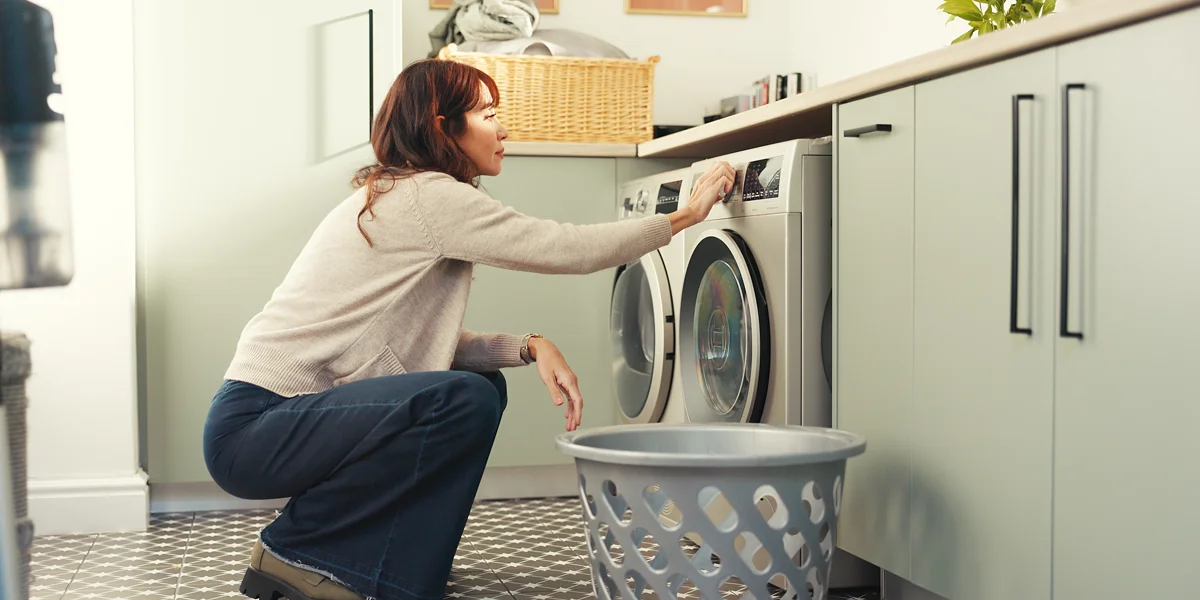
Here’s a simple tip: avoid using your major appliances in the late afternoon when rates are higher to save on costs and avoid unnecessary heat in your home. This sounds simple but it can be complicated by all of the unique rules that might come with your energy provider’s plans.
Energy rates are lower earlier in the day, especially in the summer. So, using major appliances overnight or in the early morning can save on your bill, is usually your best bet – with some exceptions. Rates typically go up after 4 p.m., but check with your local electricity provider for the exact time in your area.
Need to run the dishwasher? Try overnight or in the morning instead of the afternoon. The same goes for doing laundry. Take advantage of the lower rates by using major appliances, like dishwashers, clothes washers, and dryers in the mornings or overnight. If you have the time and the space, put clothes on a drying rack to take advantage of summer heat instead of running the dryer.
When deciding what to make for dinner, consider dishes you can cook in smaller appliances such as toaster ovens, air fryers, or small electric pans. Not only will this reduce the amount of heat in your home, but toasters and air fryers typically use one-third to one-half as much energy as a full-sized oven. Save that oven for winter, instead.
Do you have an electric vehicle? Many utilities have incentives to charge your car at night or other off-peak hours, midnight to 6 a.m. in many areas. Check with them for the exact details. Many chargers have smart capabilities so you can schedule your charging times. Use the schedule feature to save on your electricity costs.
Postponing using appliances like dishwashers, clothes washers, dryers, and car chargers until cooler times of the day will also avoid overheating your home and will reduce demand on your air conditioner, if you use one.
However, if you have rooftop solar, you should follow slightly different guidance. Using energy while the sun is up—instead of overnight—is the best bet but pre-cooling homes and cutting down on late afternoon energy usage is still a great idea. As the sun goes down, rooftop solar customers begin using energy from local providers at peak-evening rates, too.
Flex Alerts
An interconnected grid means that natural disasters and extreme weather events can impact all of us. Under certain conditions we may even call a “Flex Alert,” which asks everyone to take simple steps to conserve energy using methods like those described above. To stay informed about Flex Alerts and grid events, sign up for text and email alerts.
Sign Up for Flex Alerts
What to Do When a Flex Alert is Called
During a Flex Alert, consumers can reduce stress on the power grid by shifting energy use to the morning and early afternoon hours.
On the morning of a Flex Alert, consumers should:
- Pre-cool your home early in the day to reduce air conditioning use in the afternoon peak
- Close blinds and drapes to keep the sun from heating up the home
- Refrain from using dishwashers, washing machines and other major appliances
- Set pool pumps to run early in the morning
- Charge mobile devices and laptops early in the day
- Pre-cook meals or choose meals that don’t require energy to prepare (think salads, appetizers, sandwiches, etc)